
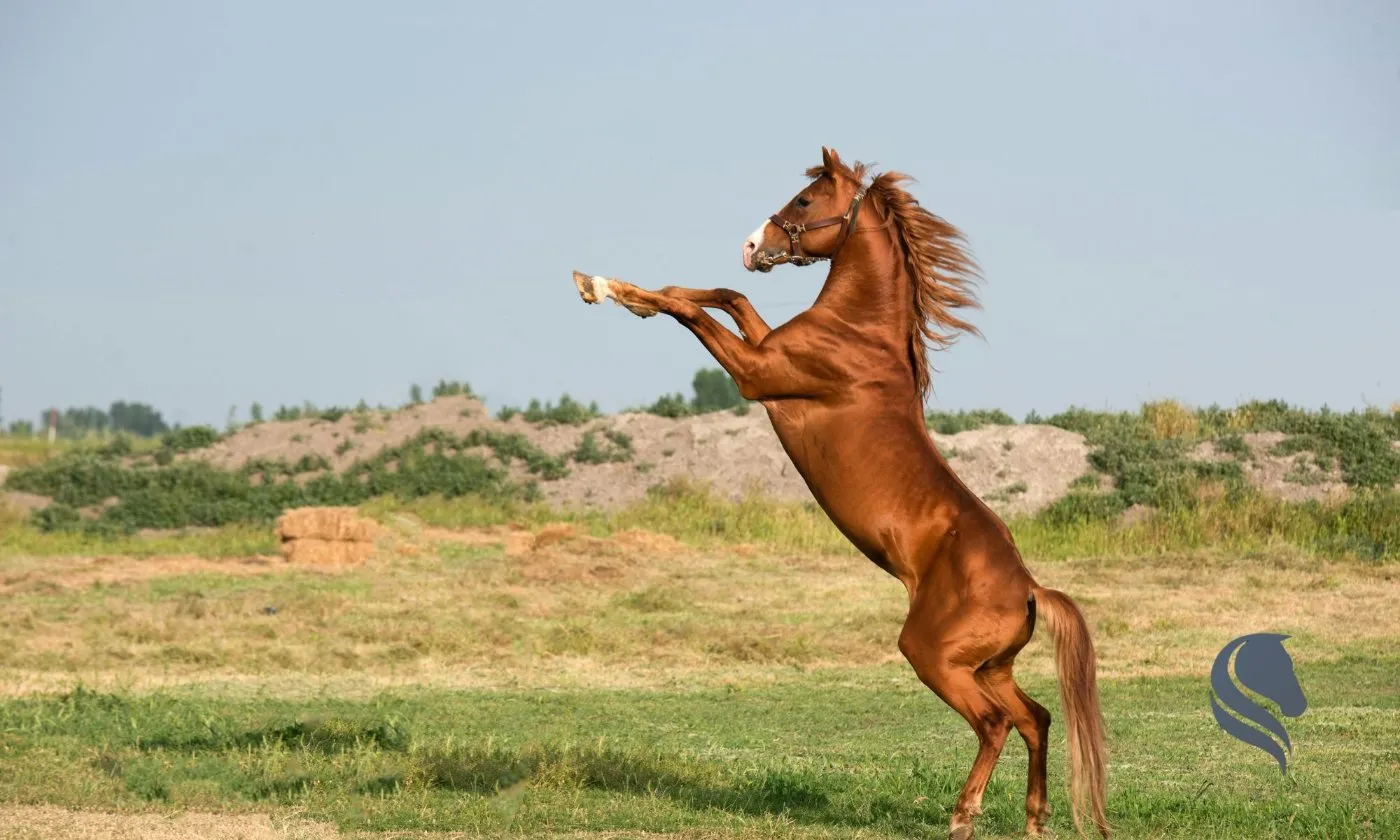
Flooring for animals that cannot be asked to move
Sanctuaries, rescues, and zoological facilities house animals that are often old, unwell, or unused to handling. The floor has to work without a cooperative patient.
The constraints that make flooring difficult here
Sanctuaries take in animals at the end of a hard working life. Hours of standing on hard flooring works directly against their comfort.
Rescue and wild-housed animals may not tolerate being moved, so flooring has to be right first time rather than adjusted later.
Quarantine, intake, and shared enclosures require surfaces that can be cleaned properly rather than surfaces that merely look clean.
Zoological facilities are viewed by visitors, so surfaces have to present well as well as perform.
Specified for animal care settings
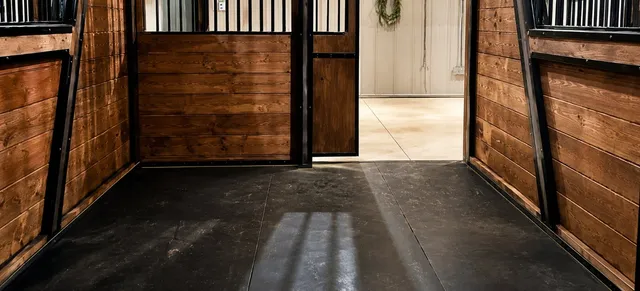
SoftStall
Cushioned, sealed flooring for enclosures where animals stand and rest for extended periods and where cleaning between occupants matters.
View SoftStall →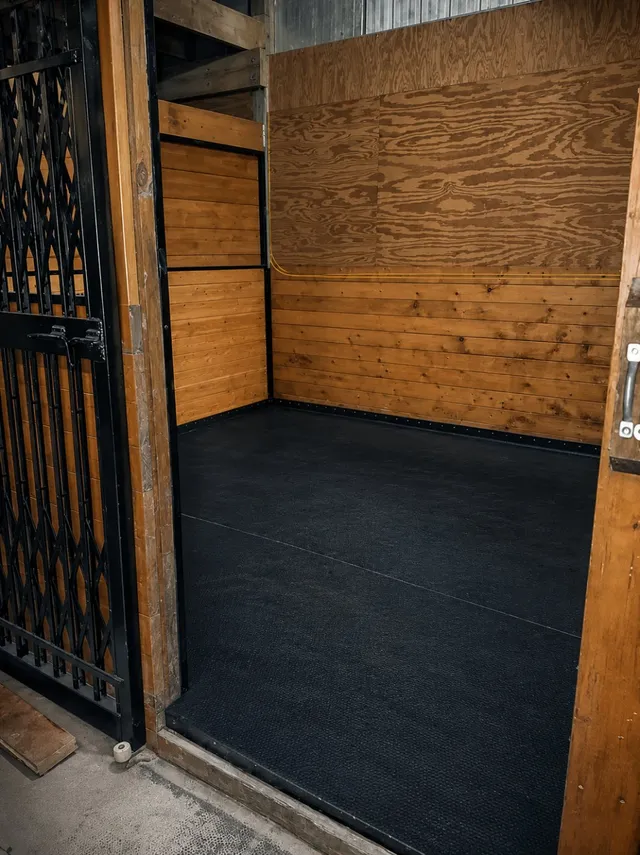
SoftWall
Impact padding with a wipe-clean cover for enclosures housing animals that push, kick, or move unpredictably.
View SoftWall →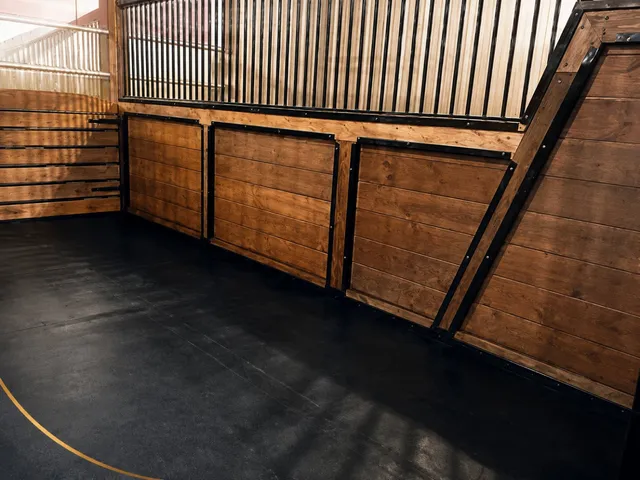
SoftStep
Traction and presentation for keeper access routes, wash areas, and visitor-facing pathways.
View SoftStep →The same principles apply to other large animals
Long standing hours, unpredictable movement, and cleaning requirements are not unique to horses. Cushioned, non-absorptive, sealed flooring addresses the same problems in cattle, camelid, and other large-animal housing — though each species and enclosure needs to be assessed individually.
Cushioning for elderly and compromised animals
Surfaces that cleaning protocols can actually reach
Enclosures assessed individually rather than by a single template
A kind and compassionate company with a huge heart.
Assessed enclosure by enclosure
What is housed, for how long, and what the cleaning regime requires.
Dimensions, substrate, drainage, and access reviewed per enclosure.
Sequenced so animals are never all displaced at once.
Cleaning and maintenance guidance provided for your protocols.
Questions from animal care facilities
The underlying problems are the same for many large animals, and the products have been used beyond horses. Each species and enclosure is assessed individually rather than assumed.
The surface is non-absorptive and sealed, so cleaning agents work on it rather than soaking in. Agent compatibility is confirmed before installation.
Sanctuary and zoological references are being collected. We will not present a reference we cannot substantiate.
Yes. Phasing across funding cycles is common and the specification stays stable between phases.
Tell us about your facility
Species, enclosure sizes, and cleaning requirements help us advise properly.