
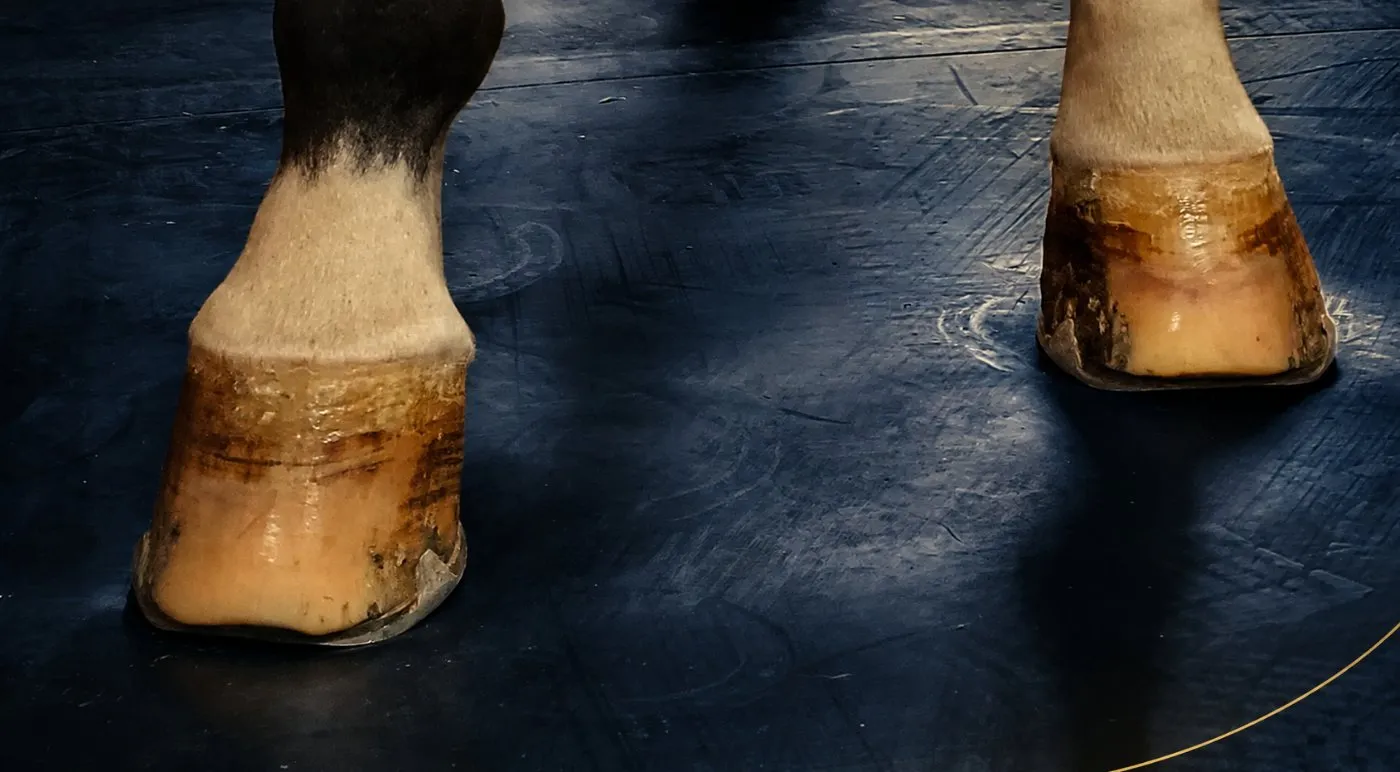
Three outcomes that come from the same decision
Comfort, hygiene, and labour are usually treated as separate problems with separate fixes. In a stall they share one cause: what the floor does with weight and moisture.
Why these three problems travel together
Horses spend most of the day on their feet. A hard floor under thin bedding keeps loading the same joints, all day, every day.
Absorbent or seamed floors hold urine and organic material. Cleaning the surface does not reach what has soaked below it.
When waste works down into the floor, mucking out becomes excavation, and every barrow is heavier than it needs to be.
Most bedding in a conventional stall is bought to soak up moisture rather than to make the horse comfortable.
What addresses all three
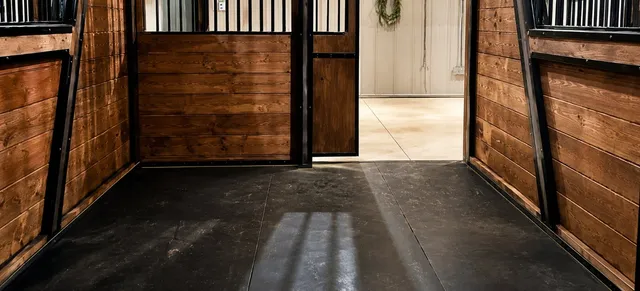
SoftStall
Cushioning and sealing in one system. This is the product that moves all three outcomes, which is why it is where almost every project starts.
View SoftStall →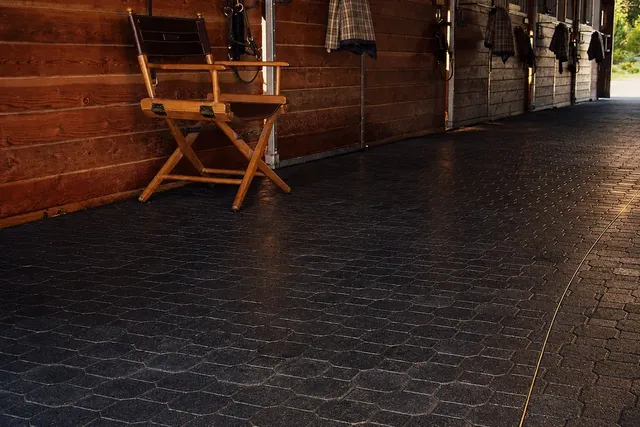
SoftStep
Carries traction and easy cleaning into the traffic areas, where hygiene and slip risk overlap.
View SoftStep →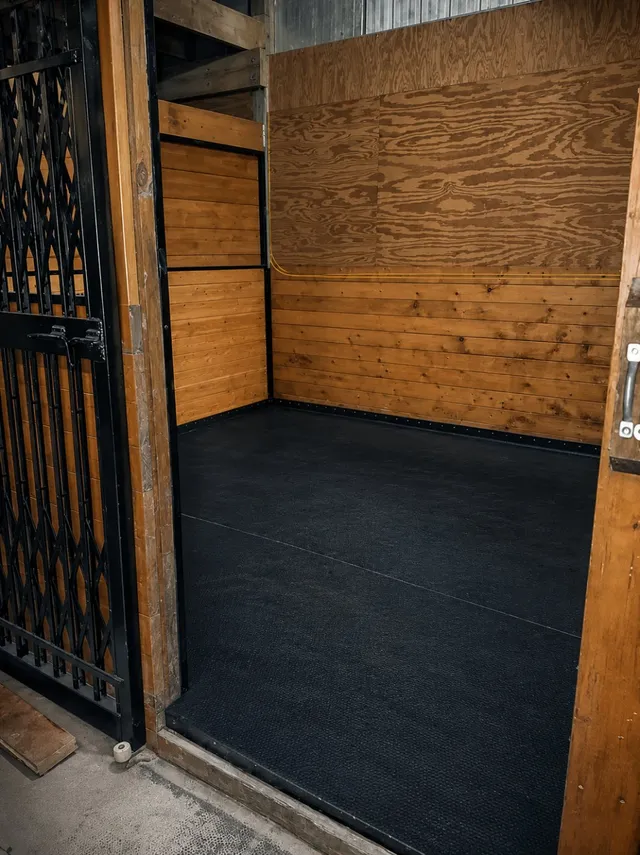
SoftWall
Adds a wipe-clean protective surface to the walls, closing the last porous surface in a stall.
View SoftWall →Weight and moisture, handled at the same time
A cushioned layer deals with weight — hours of standing on an unforgiving surface. A sealed, non-absorptive cover deals with moisture — which is what drives both hygiene and bedding volume. Address them separately and you get half a result; address them in one system and all three outcomes move.
Cushioning where the horse actually spends its time
Moisture kept on the surface, where cleaning reaches it
Bedding bought for comfort rather than absorption
Anything that benefits a horse has got to be good. We find SoftStall truly benefits horses.
How the change happens
Comfort, hygiene, or labour — it changes where we suggest starting.
Priced per area so you can see what each part of the barn costs.
Expect to revise bedding quantities downward over the first month.
Compare bedding spend and cleaning time against your old routine after one season.
Questions about outcomes
You can, but you will be paying for absorption you no longer need. Most owners reduce bedding within the first month once they see how the floor behaves.
It depends on your current floor and routine, which is why we are not publishing a single figure. The estimator tool being built is designed to model it against your own numbers.
Owners commonly report it. We describe that as feedback rather than a measured claim.
Yes — single-stall installations are often how owners test the change before committing further.
Tell us what you are trying to improve
Comfort, cleaning time, bedding cost, or all three.